
Buy Lipo-C Research Compound | Pure Lipotropic MIC+B12 Blend | PrimaLab Peptide
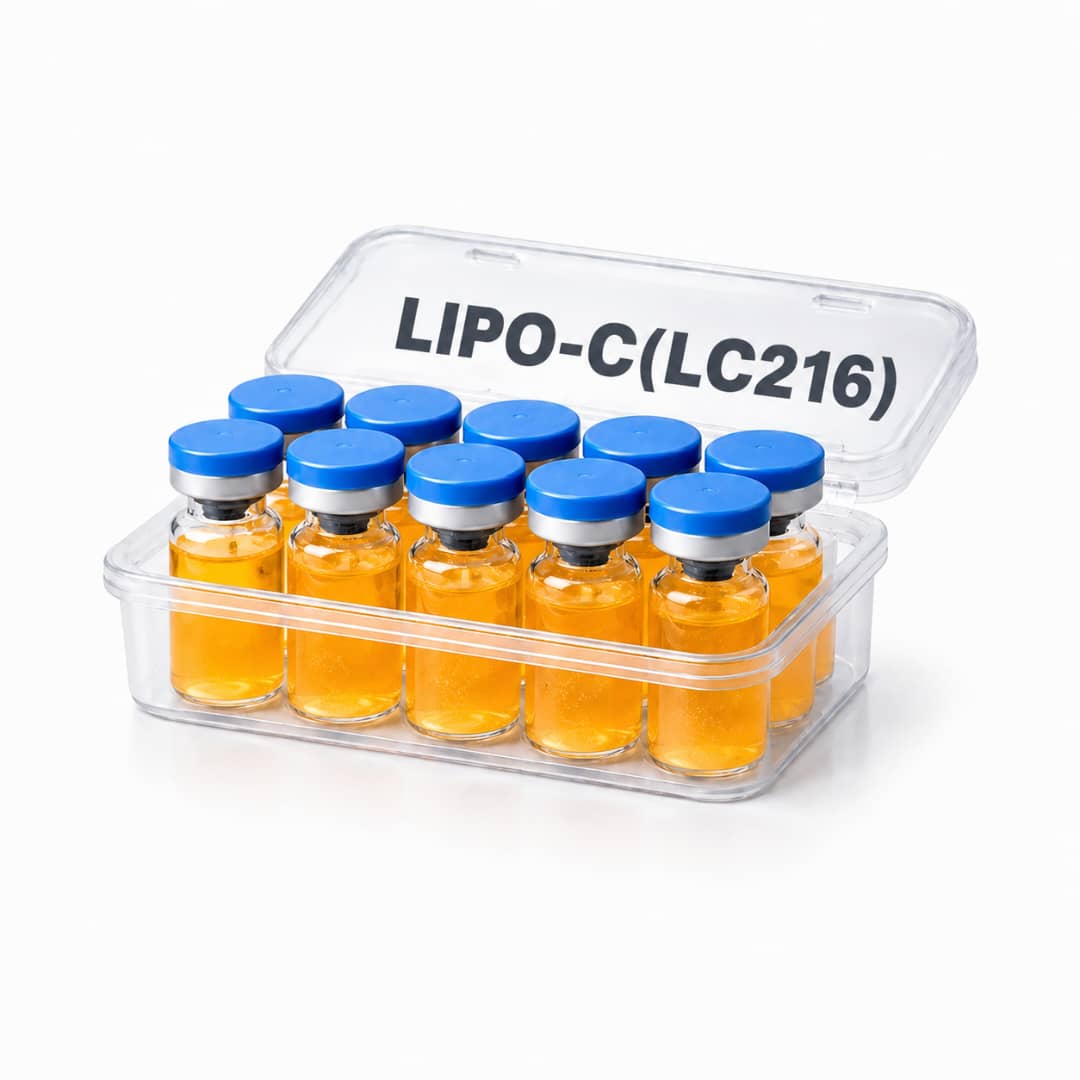
Lipo-C (LC216) is a sterile multi-compound lipotropic research blend combining four compounds — Methionine, Inositol, Choline Chloride, and Cyanocobalamin (Vitamin B12) — into a single ready-to-use aqueous research solution. Researchers who buy Lipo-C research compound use it to investigate lipid metabolism, hepatic lipid transport, phospholipid synthesis, cellular methylation pathways, and the synergistic metabolic effects of combined lipotropic compound administration in laboratory research models. PrimaLab Peptide supplies research-grade Lipo-C at ≥99.1% purity across active components, independently verified by Janoshik Analytical via HPLC and identity verification, with a full batch-specific Certificate of Analysis included with every order.
An important classification note: Lipo-C is not a peptide in the strict biochemical sense. It is a multi-compound lipotropic research blend categorised alongside research peptides at PrimaLab Peptide because of its directly overlapping applications in lipid metabolism and metabolic research, where it is frequently studied alongside peptide-based metabolic compounds such as AOD9604, 5-Amino-1MQ, and Glutathione.
What Is Lipo-C (LC216)?
Lipo-C is a compounded lipotropic solution containing four distinct research compounds at defined concentrations in a sterile aqueous vehicle:
- Methionine (12.4 mg/mL): An essential sulphur-containing amino acid that serves as the principal methyl group donor in one-carbon metabolism through its role as a precursor to S-adenosylmethionine (SAM) — the universal methyl donor in methylation reactions. In lipid metabolism research, methionine is studied for its role in phosphatidylcholine synthesis, hepatic lipid export via VLDL, and prevention of hepatic fat accumulation in research models. Methionine’s role in methylation biochemistry is reviewed in published PubMed research on methionine and lipid metabolism
- Inositol (25 mg/mL): A carbocyclic sugar that serves as a structural basis for phosphoinositide second messenger systems and is a component of phosphatidylinositol — a key membrane phospholipid. Inositol is studied in research models for its role in lipid signalling through the PI3K/Akt pathway, hepatic lipid metabolism, insulin signalling, and cellular membrane biology
- Choline Chloride (25 mg/mL): An essential nutrient and precursor to acetylcholine and phosphatidylcholine. In lipid metabolism research, choline is studied for its critical role in phosphatidylcholine synthesis — essential for VLDL assembly and hepatic lipid export — as well as one-carbon metabolism interactions with methionine through the betaine pathway. Choline deficiency is a standard model of hepatic steatosis (fatty liver) in preclinical research. The NIH’s Office of Dietary Supplements Choline reference provides detailed background
- Cyanocobalamin B12 (1 mg/mL): The stable synthetic form of Vitamin B12 (cobalamin). B12 is an essential cofactor in two key metabolic reactions: methylmalonyl-CoA mutase (odd-chain fatty acid metabolism) and methionine synthase (converting homocysteine back to methionine in the methylation cycle). In the context of the Lipo-C blend, B12 supports the methionine cycle and one-carbon metabolism research applications alongside methionine and choline
Lipo-C Research Applications
The four-compound lipotropic blend in Lipo-C covers multiple intersecting research areas in lipid metabolism and cellular biochemistry:
- Hepatic lipid metabolism research: The methionine-choline combination has been used in research models to study hepatic lipid export mechanisms, VLDL assembly and secretion, and hepatic steatosis prevention mechanisms. The methionine-choline-deficient (MCD) diet model — studied by comparing normal vs. deficient conditions — is a standard preclinical model for non-alcoholic fatty liver disease (NAFLD) research
- One-carbon and methylation pathway research: Methionine, choline, and B12 are all interconnected through the one-carbon metabolic network, making Lipo-C a practical research tool for studying methylation capacity, SAM/SAH ratios, and homocysteine metabolism in cell culture research models
- Phospholipid synthesis research: Choline and inositol are key precursors to phosphatidylcholine and phosphatidylinositol respectively — major components of cellular membranes and lipid signalling cascades. Research examining phospholipid metabolism, membrane biology, and lipid signalling uses both compounds extensively
- Lipid signalling pathway research: Inositol-derived phosphoinositides (PI3P, PI4P, PIP2, PIP3) are central second messengers in insulin signalling, cell growth, and survival pathways — making inositol a research tool in PI3K/Akt pathway studies
- B12 cofactor metabolism research: Cyanocobalamin provides B12 cofactor activity for methylmalonyl-CoA mutase and methionine synthase research in cell culture systems, relevant to studies of organic acid metabolism and the methionine cycle
- Combined lipotropic effects research: The combination of all four compounds allows research into the synergistic or additive effects of simultaneous methionine, inositol, choline, and B12 supplementation on lipid metabolism — research that complements single-compound lipid metabolism studies using 5-Amino-1MQ (NNMT inhibitor) and Glutathione (redox balance) in broader metabolic research programs
Ready-to-Use Solution — No Reconstitution Required
Unlike lyophilized research peptides such as BPC-157 or Semaglutide that require reconstitution with BAC Water, Lipo-C is supplied as a ready-to-use sterile aqueous solution in a 10ml multi-dose septum vial. No reconstitution step is required — simply maintain correct storage conditions, use proper aseptic technique, and inspect the solution before each use.
This format also means Lipo-C should not be frozen — freezing can cause components to crash out of solution, altering the concentration balance of the formulation. Unlike lyophilized peptides which require −20°C freezer storage, Lipo-C requires refrigerated storage at 2–8°C throughout its shelf life.
Purity & Third-Party Testing
Every batch of Lipo-C supplied by PrimaLab Peptide is independently tested by Janoshik Analytical:
- HPLC — quantitative purity determination confirmed at ≥99.1% across active components
- Identity verification — confirmation of all four active components (Methionine, Inositol, Choline, Cyanocobalamin)
The batch-specific COA is included with every order. Batch numbers and exact purity figures may vary slightly between lots — always check the COA for your specific vial batch number before use in research. COAs are posted per batch and are not recycled from previous lots.
Storage Guidelines
Correct storage for Lipo-C differs from lyophilized peptide storage — this is a sterile aqueous solution, not a freeze-dried powder:
- Storage temperature: 2–8°C (standard lab refrigerator) — do not freeze. Freezing can precipitate components out of solution
- Light protection: Store away from direct light — cyanocobalamin (B12) is light-sensitive and can degrade with UV exposure
- Upon receipt: Refrigerate immediately on arrival — do not leave at room temperature for extended periods
- Aseptic technique: Use proper aseptic technique every time a sample is drawn from the multi-dose vial. Maintain needle sterility and clean the septum with an alcohol swab before each puncture
- Inspection before use: Inspect the solution before each research use — discard any vial showing cloudiness, visible particulates, or discolouration. Clear, colourless to light pink (from B12) solution is expected
- Shelf life: Up to 24 months at recommended 2–8°C storage when sealed
Product Specifications
| Product Name | Lipo-C (LC216 / MIC + B12 Blend) |
| Active Components | Methionine, Inositol, Choline Chloride, Cyanocobalamin (B12) |
| Methionine Concentration | 12.4 mg/mL |
| Inositol Concentration | 25 mg/mL |
| Choline Chloride Concentration | 25 mg/mL |
| Cyanocobalamin B12 Concentration | 1 mg/mL |
| Form | Sterile ready-to-use aqueous solution |
| Vial Size | 10ml multi-dose septum vial |
| Purity | ≥99.1% (Janoshik HPLC + identity verification) |
| Testing Lab | Janoshik Analytical (independent third-party) |
| COA | Batch-specific — included with every order |
| Storage | 2–8°C refrigerated, protect from light — do NOT freeze |
| Shelf Life (sealed) | Up to 24 months at recommended storage |
| Reconstitution Required | No — ready-to-use solution |
| Intended Use | Laboratory research only — not for human use |
Frequently Asked Questions — Lipo-C Research Compound
What is Lipo-C used for in research?
Researchers who buy Lipo-C research compound use it to investigate hepatic lipid metabolism and fatty liver research models, one-carbon and methylation pathway biology, phospholipid synthesis (phosphatidylcholine and phosphatidylinositol), lipid signalling through PI3K/Akt pathways, B12 cofactor metabolism in methionine synthase and methylmalonyl-CoA mutase research, and the combined lipotropic effects of methionine, inositol, choline, and B12 on cellular lipid metabolism. It complements peptide-based metabolic research tools including 5-Amino-1MQ and AOD9604 in broader metabolic research programs.
Is Lipo-C a peptide?
No. Lipo-C is a multi-compound lipotropic research blend — not a peptide. Its four active components are Methionine (amino acid), Inositol (carbocyclic sugar), Choline Chloride (essential nutrient), and Cyanocobalamin (Vitamin B12 form). It is categorised alongside research peptides at PrimaLab Peptide because of its overlapping applications in metabolic and lipid metabolism research.
Does Lipo-C need to be reconstituted before use?
No. Unlike lyophilized research peptides that require reconstitution with BAC Water or Acetic Acid Water, Lipo-C is supplied as a ready-to-use sterile aqueous solution. No reconstitution step is required. Maintain correct storage at 2–8°C and use proper aseptic technique when drawing samples from the multi-dose vial.
Can Lipo-C be frozen for storage?
No — do not freeze Lipo-C. Freezing can cause active components to precipitate out of solution, altering the concentration balance of the formulation and potentially compromising research results. Unlike lyophilized peptides that require −20°C freezer storage, Lipo-C must be stored refrigerated at 2–8°C throughout its shelf life, away from direct light.
Is Lipo-C from PrimaLab Peptide independently tested?
Yes. Every batch is independently verified by Janoshik Analytical at ≥99.1% purity across active components via HPLC and identity verification of all four compounds. The batch-specific COA is included with every order — always check the COA for your specific vial batch number, as figures are batch-specific and COAs are not recycled between lots.
What research compounds are commonly studied alongside Lipo-C?
Researchers buying Lipo-C research compound for lipid metabolism and hepatic biology research frequently explore complementary compounds from PrimaLab Peptide including 5-Amino-1MQ (NNMT inhibitor for NAD+ pathway and adipocyte metabolic research), AOD9604 (modified GH fragment for lipolytic research), Glutathione (master antioxidant and redox balance research), and NAD+ (cellular energy and sirtuin research). Browse the complete Wellness & Longevity category.
Related Research Compounds
Researchers buying Lipo-C research compound for lipid metabolism and metabolic biology research frequently explore:
- 5-Amino-1MQ — NNMT inhibitor studied for NAD+ pathway modulation and adipocyte metabolic research
- AOD9604 — modified GH C-terminal fragment for lipolytic and fat metabolism research
- Glutathione (GSH) — master antioxidant tripeptide for redox balance and hepatic protection research
- NAD+ — cellular energy coenzyme for sirtuin activation and methylation cycle research
- Lemon Bottle — enzyme-based lipolytic solution for complementary fat cell biology research
Browse our complete Wellness & Longevity and Metabolic Peptides categories. Bulk researchers can apply for discounted rates through our Wholesale Portal.
⚠️ For laboratory research use only. Not intended for human or veterinary use. No medical claims are made or implied. These statements have not been evaluated by any regulatory authority. Researchers are solely responsible for compliance with all applicable local regulations governing the purchase, storage, and use of research compounds.
Reviews
There are no reviews yet.