
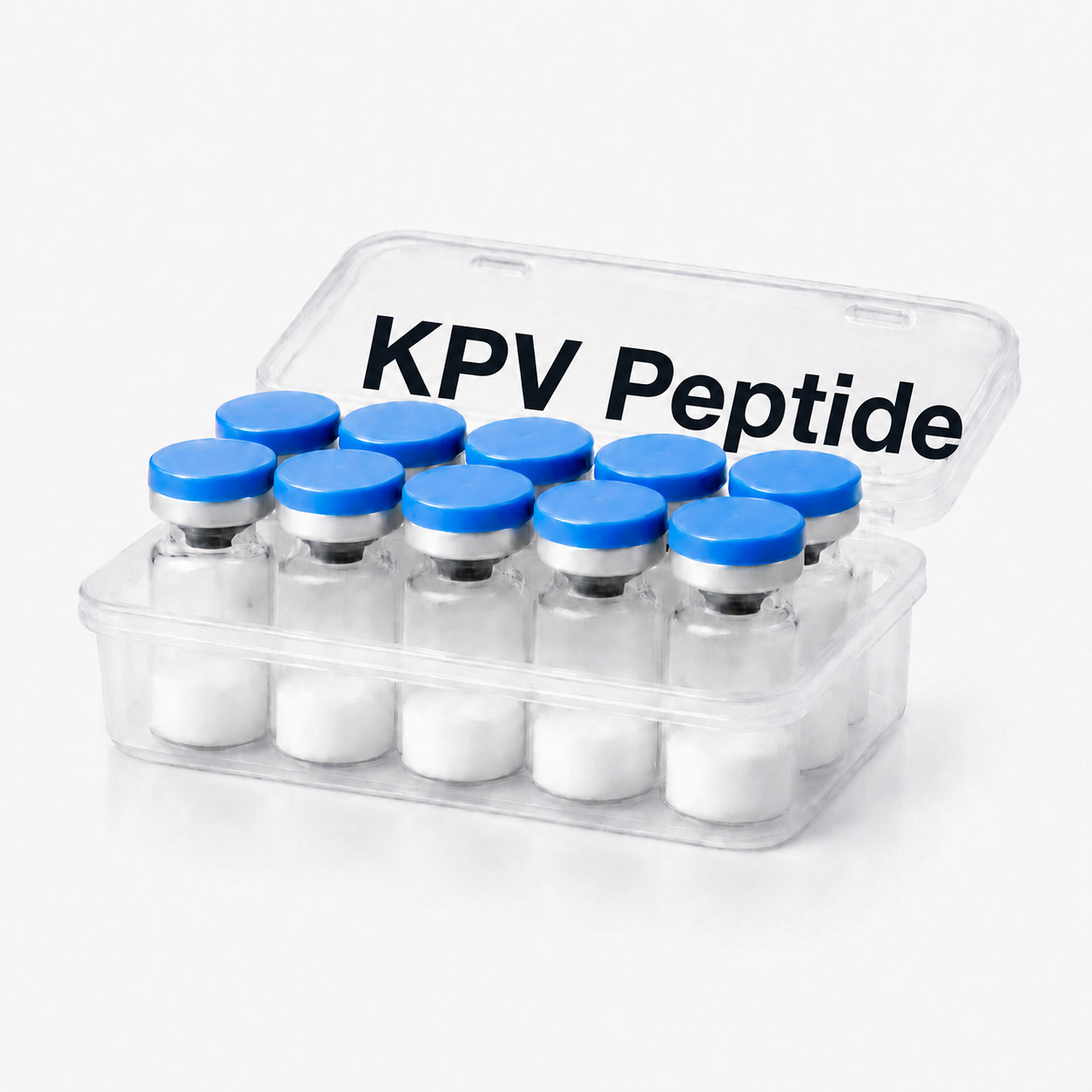
Buy KPV Peptide | Lysine-Proline-Valine Research Grade | PrimaLab Peptide
KPV peptide (Lysine-Proline-Valine) is a research-grade synthetic tripeptide derived from the C-terminal sequence of alpha-melanocyte-stimulating hormone (α-MSH). Researchers who buy KPV peptide use it in cell culture and animal models to investigate anti-inflammatory signalling pathways, gut mucosal biology, and melanocortin receptor mechanisms. PrimaLab Peptide supplies KPV peptide at 99.2% purity, independently verified by Janoshik Analytical using HPLC and mass spectrometry, with a full batch-specific Certificate of Analysis available before you order.
What Is KPV Peptide?
KPV stands for Lysine-Proline-Valine — a tripeptide consisting of three amino acids linked in sequence. It represents the C-terminal fragment of alpha-melanocyte-stimulating hormone (α-MSH), a larger endogenous peptide derived from pro-opiomelanocortin (POMC). Despite its small molecular size (MW ~342.4 g/mol), KPV peptide has attracted significant research interest due to its activity at melanocortin receptors — particularly MC1R and MC3R — which play well-documented roles in the regulation of inflammatory signalling cascades.
When researchers buy KPV peptide for laboratory use, it is studied as a tool for investigating melanocortin receptor-mediated anti-inflammatory pathways, NF-κB signalling modulation, intestinal mucosal biology, and skin repair mechanisms. It is used strictly as a research compound in controlled laboratory environments — it is not a drug, supplement, therapeutic, or food product.
KPV Peptide Research Applications
KPV peptide is among the most studied small tripeptides in inflammatory biology research. Published preclinical research available on PubMed has examined KPV peptide in the following research contexts:
- Melanocortin receptor activation: KPV peptide interacts with MC1R and MC3R receptors, which are implicated in the regulation of pro-inflammatory cytokine production and NF-κB pathway activity
- Intestinal inflammation research: KPV peptide has been studied in models of gut mucosal inflammation, with research exploring its effects on intestinal epithelial cell signalling and barrier function
- Skin and wound healing research: As a fragment of α-MSH, KPV peptide has been investigated in dermal inflammation and wound repair research models
- NF-κB pathway modulation: Research has explored KPV peptide’s effects on the NF-κB inflammatory signalling cascade in cell culture models
- Anti-inflammatory cytokine regulation: Studies have examined KPV peptide’s effects on TNF-α, IL-6, and IL-1β production in inflammatory research models
KPV peptide is frequently studied alongside complementary healing and repair peptides. Researchers investigating comprehensive tissue repair and anti-inflammatory mechanisms often combine KPV peptide with BPC-157, TB-500 (Thymosin Beta-4), and GHK-Cu (Copper Peptide) — all four compounds are available together in our Klow Blend, PrimaLab Peptide’s most comprehensive healing research stack. For a three-compound healing stack, see the Glow Blend (TB-500 + BPC-157 + GHK-Cu).
Purity & Third-Party Testing
Purity is not optional in research — a contaminated or low-purity sample produces unreliable data and compromises experimental integrity. Every batch of KPV peptide supplied by PrimaLab Peptide is independently tested by Janoshik Analytical, one of the most widely recognised independent peptide testing laboratories in the research community.
Our current batch of KPV peptide tests at 99.2% purity, confirmed by:
- HPLC (High-Performance Liquid Chromatography) — quantitative purity analysis
- Mass Spectrometry — molecular identity confirmation
The full Janoshik COA is available on request and linked directly to the batch number on your order. You verify the data before you buy KPV peptide — not after.
Storage & Reconstitution
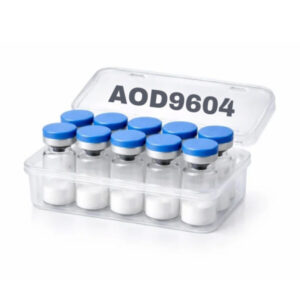
KPV peptide from PrimaLab Peptide is supplied as a lyophilized (freeze-dried) powder for maximum shelf stability during storage and transit.
- Lyophilized (sealed, unreconstituted): Store at −20°C, protected from light and moisture. Properly stored lyophilized KPV peptide remains stable for 12 months or longer
- After reconstitution: Transfer to 2–8°C refrigerated storage. Use within a few weeks following your laboratory’s standard protocol
- Reconstitution solvent: Most research protocols use Bacteriostatic Water (BAC Water) or sterile water. Add solvent slowly down the inside wall of the vial — do not shake, as agitation can damage peptide structure. Gently swirl or invert until dissolved
- Freeze-thaw cycles: Avoid repeated freeze-thaw cycles. Each cycle risks degrading bioactivity and compromising your research data. Aliquot before freezing if your protocol requires multiple uses from the same batch
Product Specifications
| Name | KPV Peptide (Lysine-Proline-Valine) |
| Sequence | Lys-Pro-Val |
| Molecular Formula | C₁₆H₃₀N₄O₄ |
| Molecular Weight | ~342.4 g/mol |
| Form | Lyophilized powder |
| Purity | 99.2% (Janoshik HPLC + Mass Spectrometry verified) |
| Available Size | 80mg |
| Storage (sealed) | −20°C, protect from light |
| Storage (reconstituted) | 2–8°C, use within weeks |
| Reconstitution | Bacteriostatic Water (BAC Water) |
| COA | Janoshik third-party batch testing — available on request |
| Intended Use | Laboratory research purposes only |
Frequently Asked Questions — KPV Peptide
What is KPV peptide used for in research?
Researchers who buy KPV peptide use it to study melanocortin receptor-mediated anti-inflammatory pathways, NF-κB signalling modulation, intestinal mucosal biology, and skin and wound repair mechanisms in cell culture and animal research models. Published research on PubMed covers a range of preclinical applications. KPV peptide is sold strictly for laboratory research — it is not intended for human or animal consumption.
How pure is PrimaLab Peptide’s KPV peptide?
Our current batch of KPV peptide tests at 99.2% purity, independently verified by Janoshik Analytical using HPLC and mass spectrometry. The full COA is available on request. Purity at this level ensures cleaner research data and more reliable experimental results compared to lower-grade research compounds.
Is KPV peptide legal to buy for research?
Yes. KPV peptide is legal to purchase for legitimate laboratory research purposes in most jurisdictions. PrimaLab Peptide sells KPV peptide exclusively for research use in controlled laboratory settings. It is not sold for human consumption, veterinary use, or any therapeutic application. Researchers are responsible for ensuring compliance with their institutional and local regulatory requirements.
How do I reconstitute KPV peptide?
Reconstitute KPV peptide using Bacteriostatic Water (BAC Water) or sterile water, depending on your laboratory protocol. Add the solvent slowly down the inside wall of the vial — never inject directly onto the lyophilized powder. Do not shake the vial; instead gently swirl or invert until the powder is fully dissolved. Once reconstituted, store at 2–8°C and use within your standard research protocol window.
What peptides are commonly studied alongside KPV peptide?
KPV peptide is frequently studied in combination with other healing and anti-inflammatory research peptides. The most common research combinations include BPC-157 (multi-system tissue repair), TB-500 (actin-mediated cellular migration and regeneration), and GHK-Cu (collagen synthesis and dermal matrix research). All four are available together in the Klow Blend. Browse our full Healing & Repair Peptides category for related compounds.
What is the shelf life of lyophilized KPV peptide?
Properly stored lyophilized KPV peptide at −20°C remains stable for 12 months or longer. Once reconstituted and stored at 2–8°C, shelf life is significantly shorter — use within a few weeks following your laboratory’s standard protocol. Avoid repeated freeze-thaw cycles, as each cycle degrades bioactivity. Aliquot before freezing if your research protocol requires multiple uses from the same batch.
Where can I verify the COA for this batch of KPV peptide?
The Janoshik Analytical COA for the current batch of KPV peptide is available on request from PrimaLab Peptide. Match the batch number on your vial against the COA documentation to confirm purity and identity. Every batch we stock is independently tested — we do not batch-swap without notice or publish unverified purity claims.
Related Research Peptides
Researchers buying KPV peptide for anti-inflammatory and tissue repair studies frequently explore the following related compounds from PrimaLab Peptide:
- BPC-157 — body protection compound, multi-system tissue repair research peptide
- TB-500 (Thymosin Beta-4 Acetate) — actin-regulated cellular migration and tissue regeneration peptide
- GHK-Cu (Copper Peptide) — collagen synthesis, dermal matrix repair, and wound healing research peptide
- Thymosin Alpha-1 — immune modulation and T-cell activation research peptide
All four healing peptides are available as a combined research stack in the Klow Blend (TB-500 + BPC-157 + GHK-Cu + KPV). Bulk researchers and laboratory procurement teams can apply for discounted rates through our Wholesale Portal. Reconstitute with BAC Water, available in our Accessories & Reconstitution Supplies section.
⚠️ For research and laboratory use only. Not intended for human consumption, medical use, or diagnostic application. Must be handled by qualified research professionals in a controlled laboratory environment in accordance with all applicable institutional, ethical, and regulatory guidelines.
Reviews
There are no reviews yet.